Design is a problem-solving process. When dealing with complex challenges, we need insights from research to fully understand “the problem to solve”. Our research is what draws the path for the design process to follow, enabling innovative solutions.
Our approach: design-driven innovation
We help impact-driven organisations to co-design with communities innovative solutions for healthcare and sustainability
Design Research
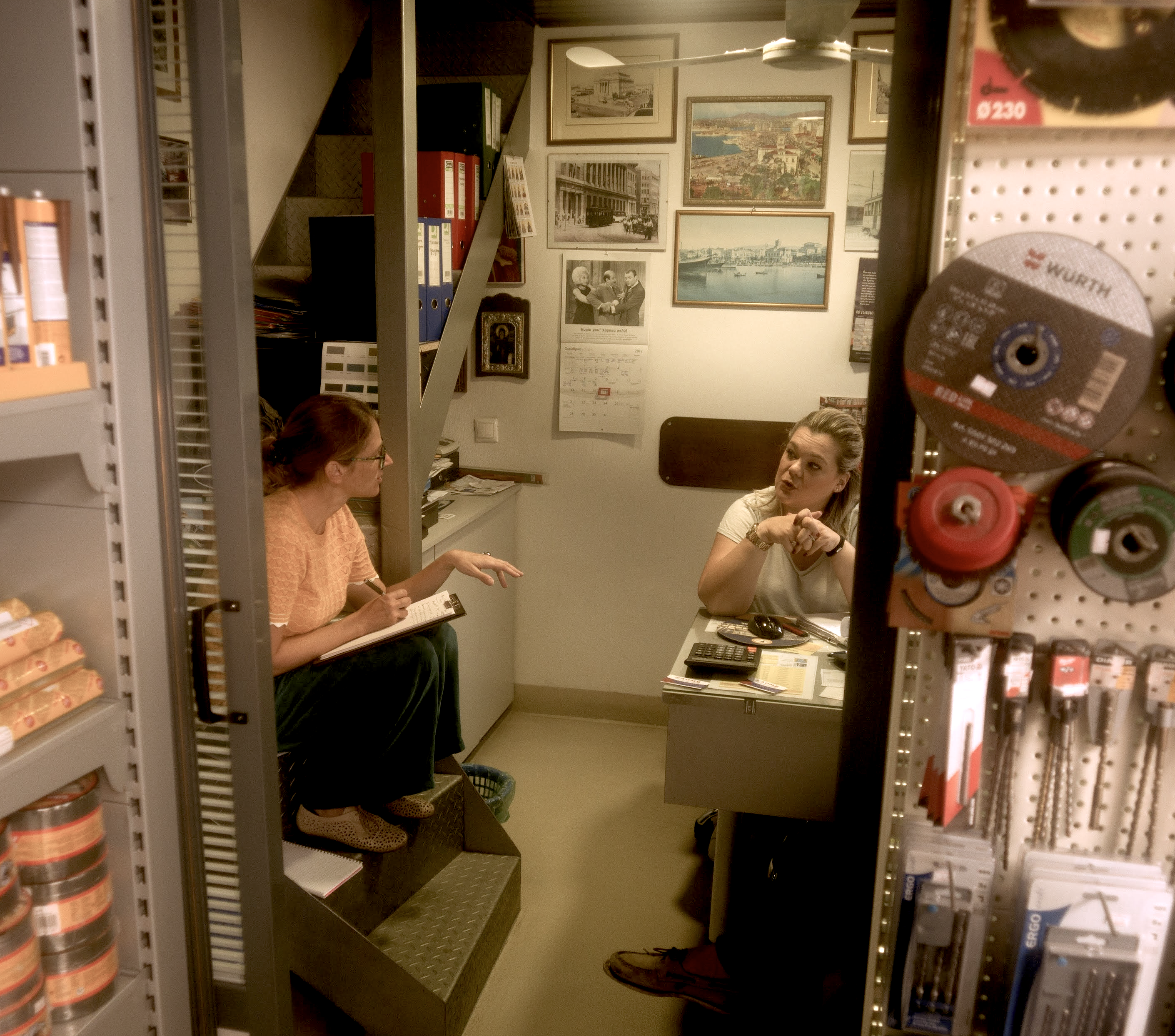
To design solutions that address complex and systemic challenges, I use a mixed methods approach, which helps my clients understand their users’ needs, motivations and behavioural barriers. User interviews are a well-established method to inform design requirements – but to be really effective – they need to go beyond questions & answers. I incorporate hands-on activities to achieve more detail and depth, such as a game, a creative exercise that engages participants in reflection or problem solving. This tailored approach produces rich actionable insights and uncovers opportunities to make a difference.
Behavioural Design
My expertise lies in designing for behaviour change in healthcare and environmental conservation. Insight into behavioural barriers & motivational drivers serves as input in order to design impactful interventions – that go beyond raising awareness among communities. Together with client teams & community stakeholders we co-create innovative programs, services and tools to boost positive behaviour change. An iterative prototyping & testing process ensures that interventions are effective, prior to launching on a larger scale.
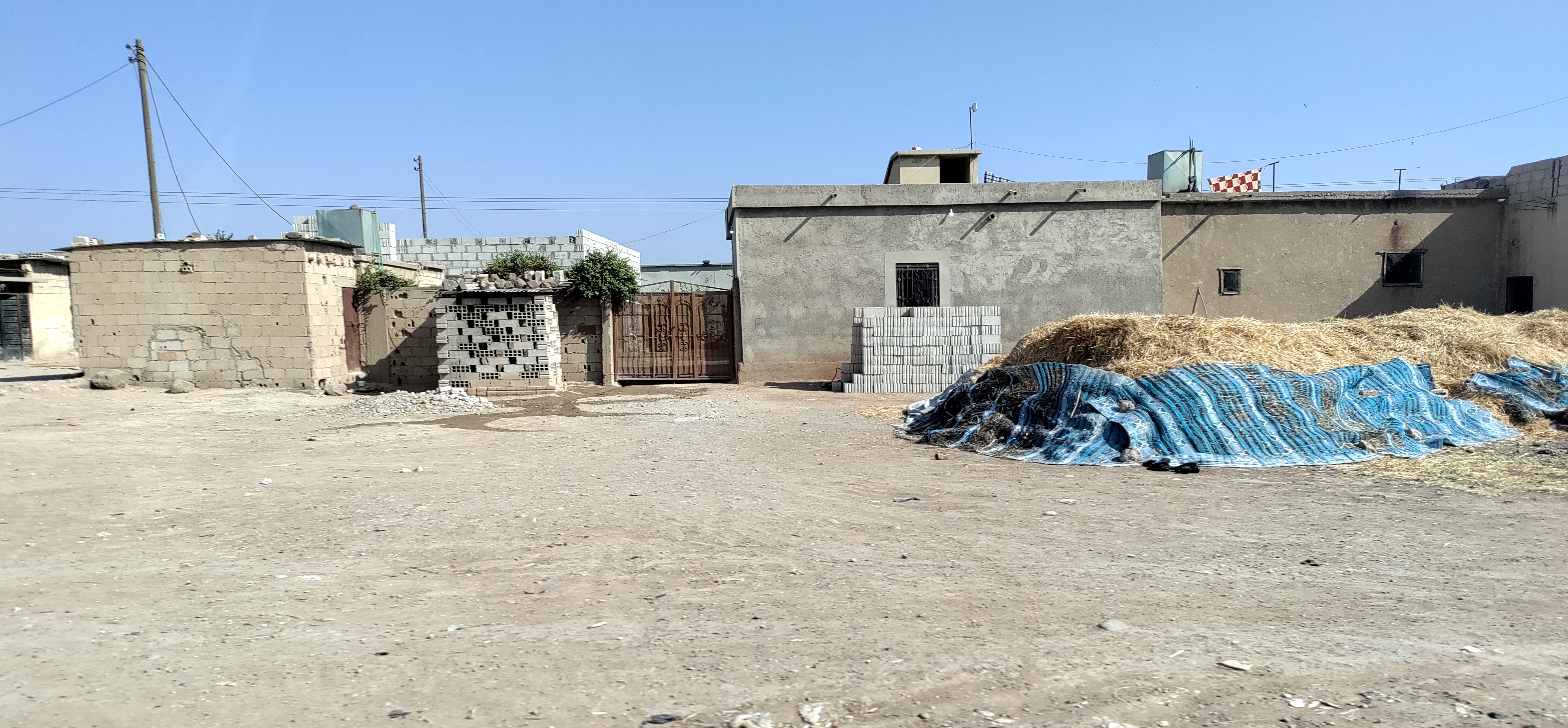
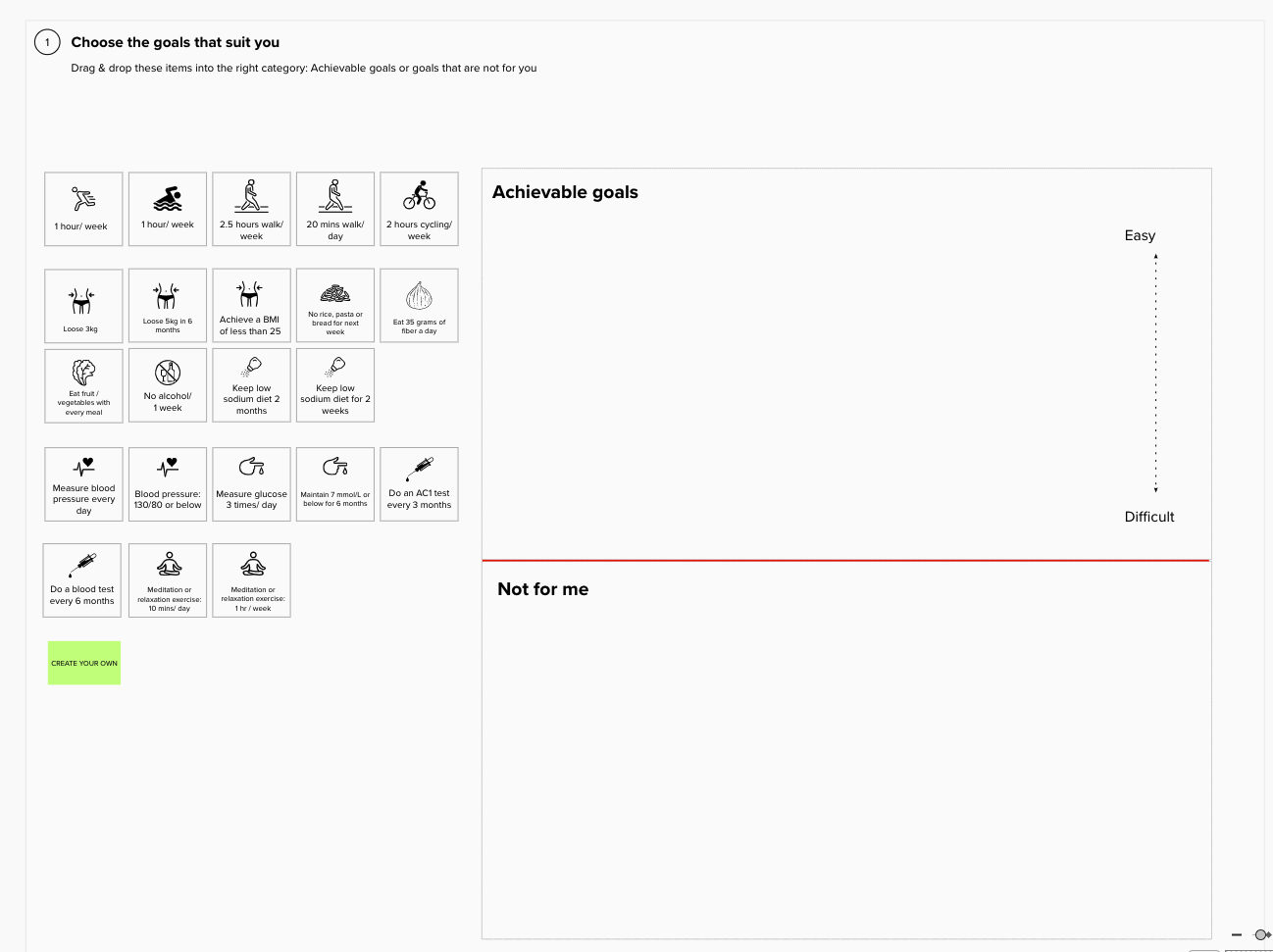
One example of my work is a mobile app prototype that supports individuals with newly diagnosed diabetes in making necessary lifestyle changes, such as adjusting their diet & exercise habits. In another innovation project, I led the design of a program that encourages more sustainable agricultural practices through farmer collaboration and accountability, aiming forlong-term systemic change. A pilot farmer program was developed in Syria – you can read more here.
Service Design
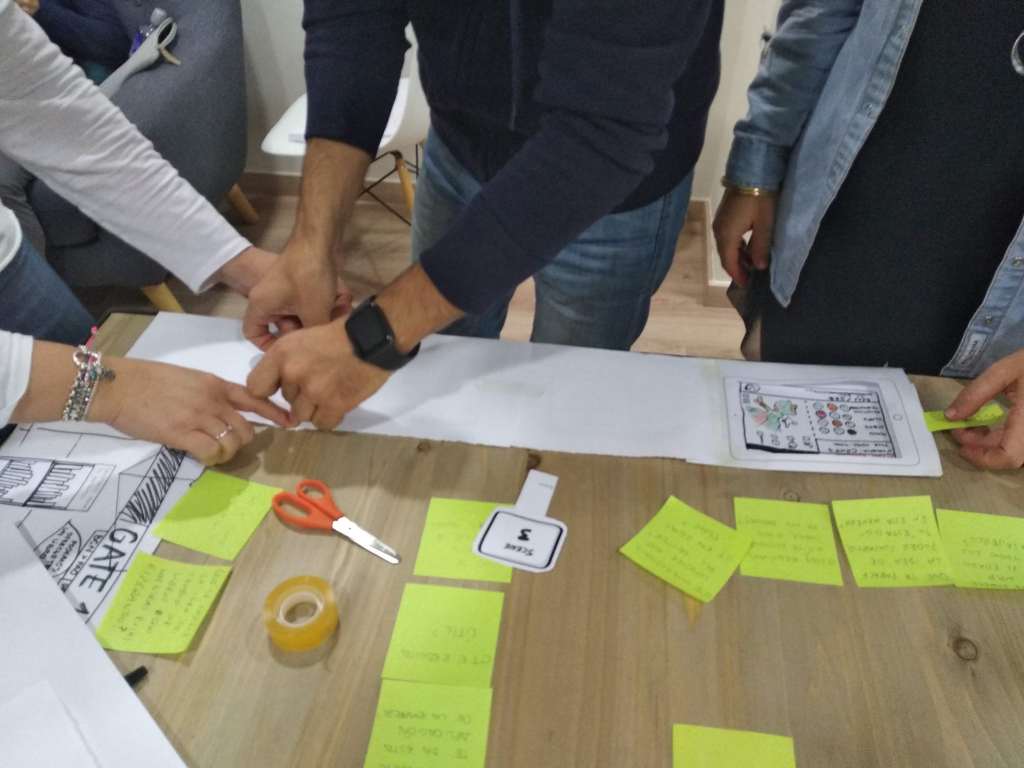
My service design experience spans across a variety of service delivery contexts, including: humanitarian relief, healthcare, sustainability services, insurance, transportation & logistics, travel and manufacturing. I work closely with my client teams throughout the entire process. We start by bringing key stakeholders together in workshops, where I facilitate a tailored service design process for the challenge at hand. I cook a variety of activities and design custom templates for each engagement to deliver a tangible service experience and operational improvements.
Coaching & Capacity Building
We deliver custom and practical training sessions on various user research methodologies. We believe in “learning by doing”, so we tailor training sessions onto particular projects challenges.
We often lead innovation projects within clients’ organisations, coaching multidisciplinary teams along the process. We help local teams in adapting research tools for their cultural context, owning and running research activities independently.
Case Studies
Innovation for climate change resilience in agricultural communities
The Airbel Impact Lab of the International Rescue Committee (IRC) aims to build climate change resilience in agricultural communities, particularly in crisis-affected contexts.
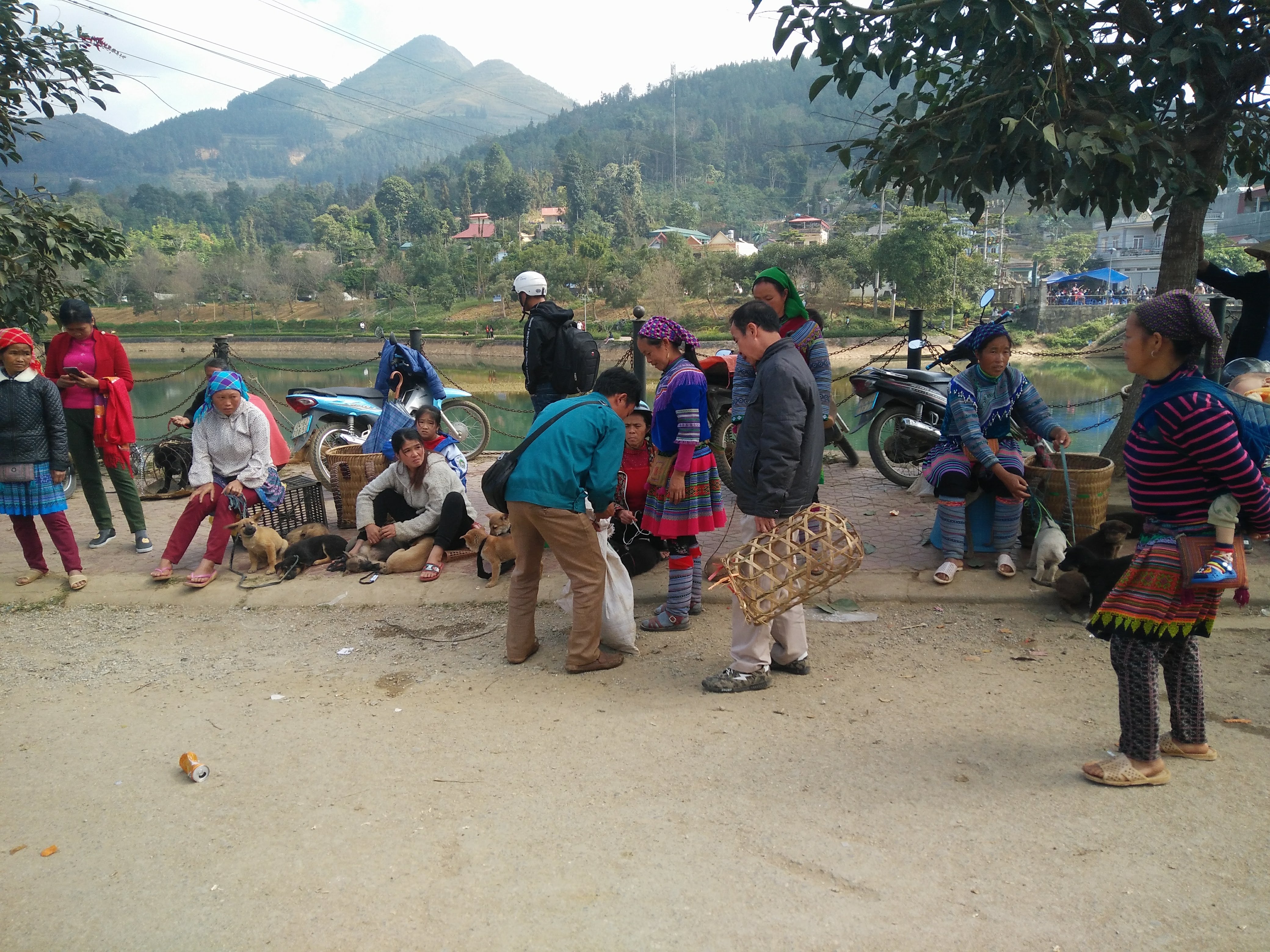
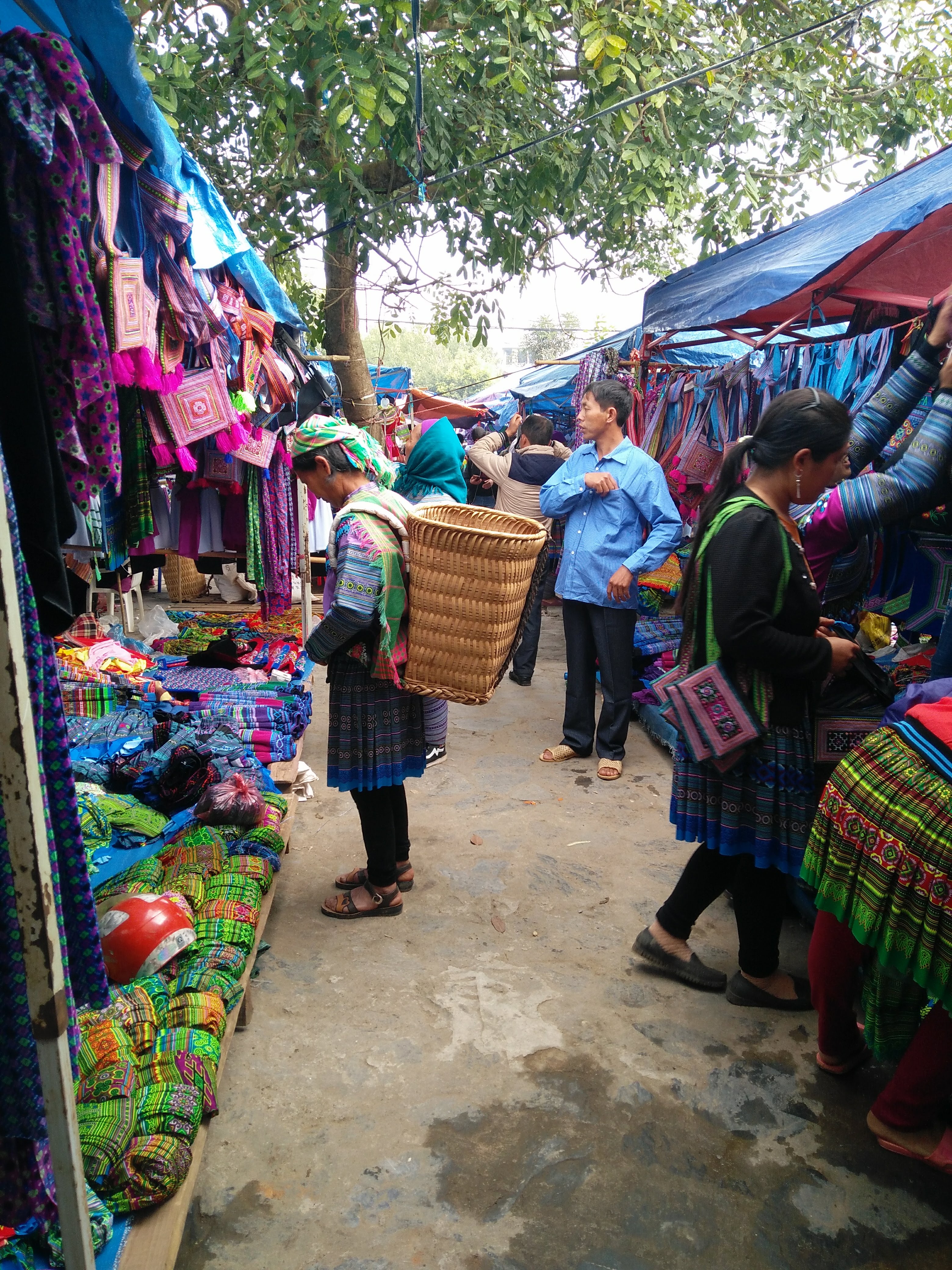
Seed selection is one of the most important and high impact climate adaptation actions that a farmer has available to them. This project focused specifically on increasing farmer access to quality climate-adapted seeds in conflict-affected areas.
Service design for healthcare innovation in Noma Children’s Hospital in Nigeria
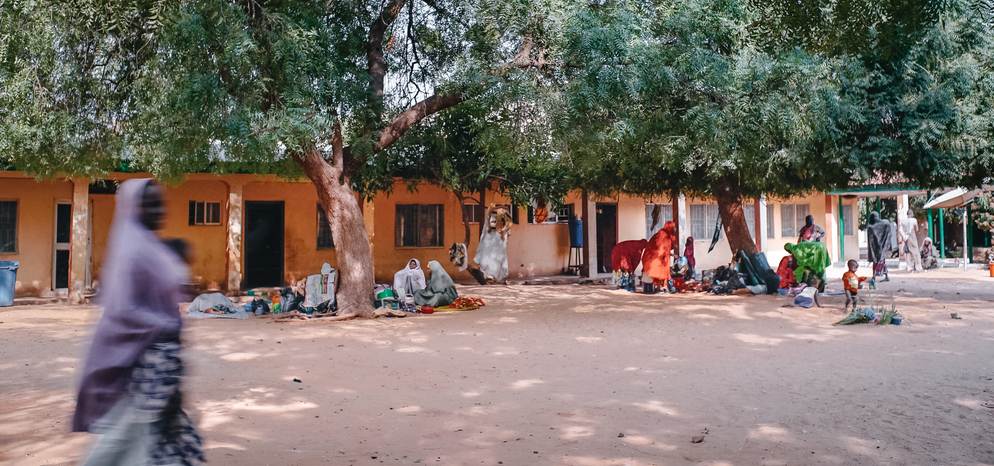
The Sapling Nursery within Médecins Sans Frontières (MSF UK) empowers field staff to engage in innovation, solve complex challenges and improve the delivery of medical care. In the context of this program, I mentored and guided remotely a team of MSF staff through a research & design process to identify and solve their greatest challenge. The team was based in Nigeria, at the Noma Children’s Hospital in Sokoto.
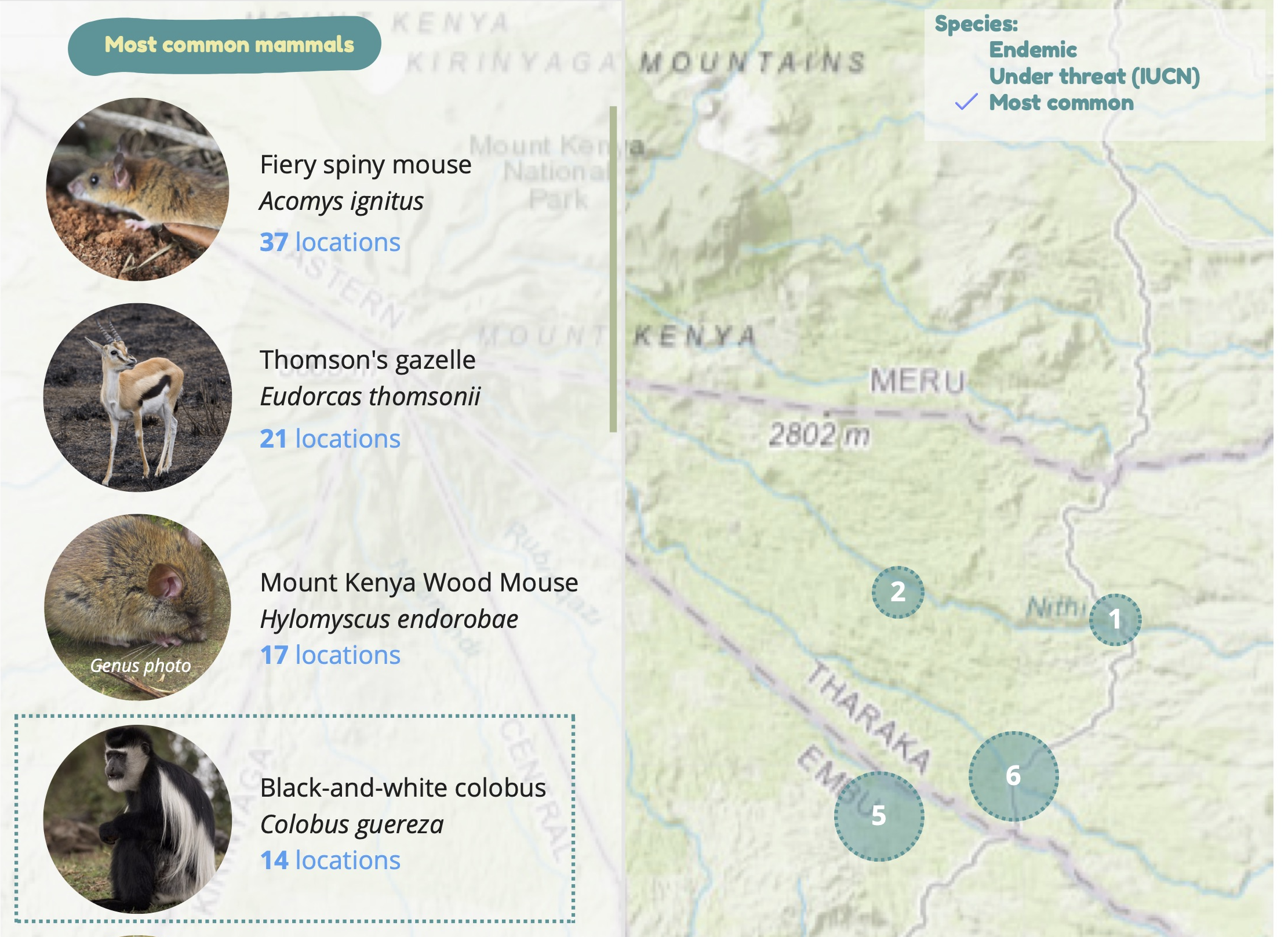
The Innovation Team at the Rainforest Alliance has been exploring alternative revenue opportunities (such as carbon credit generation), to fund projects dedicated to the protection and restoration of natural landscapes and wildlife. In the context of this initiative, I helped the team develop a strategy for monitoring and communicating biodiversity results to key stakeholders.
Behaviour change research for vision improvement among the 40+ in Ghana
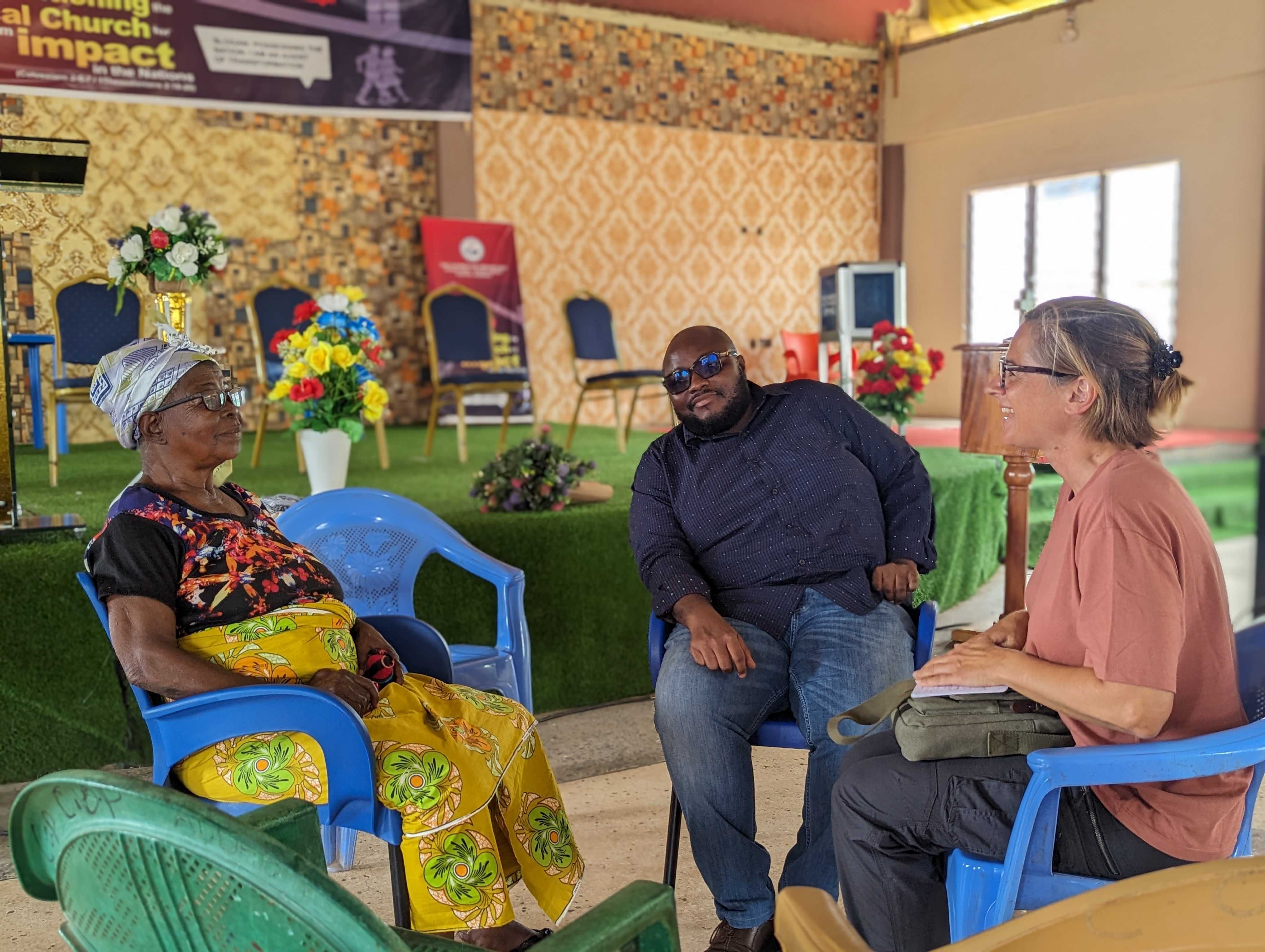
In collaboration with Appleseed, a behavioural agency for poverty-fighting organisations, we carried out behaviour change research for VisionSpring – an international social enterprise working to increase access to eye examinations and affordable glasses in Ghana. Our target population was low to medium income community members aged 40+ with presbyopia.
Service design to drive behaviour change for diabetes & hypertension management
This project was delivered in the context of a broader set of health and wellbeing digital services, provided by an international insurance company. Potential customers with chronic conditions tend to encounter difficulties when buying particular insurance products. On the other hand, early stage Type 2 diabetes and hypertension are conditions that can be controlled and often reversed through lifestyle changes – rather than medication – by establishing new habits in diet and exercise and monitoring the condition continuously. The focus of this study was to better understand the needs of diabetes and hypertensions patients and the challenges they encounter within the critical first months after their diagnosis.
Design Sprint to improve the transportation of Ebola patients in West Africa
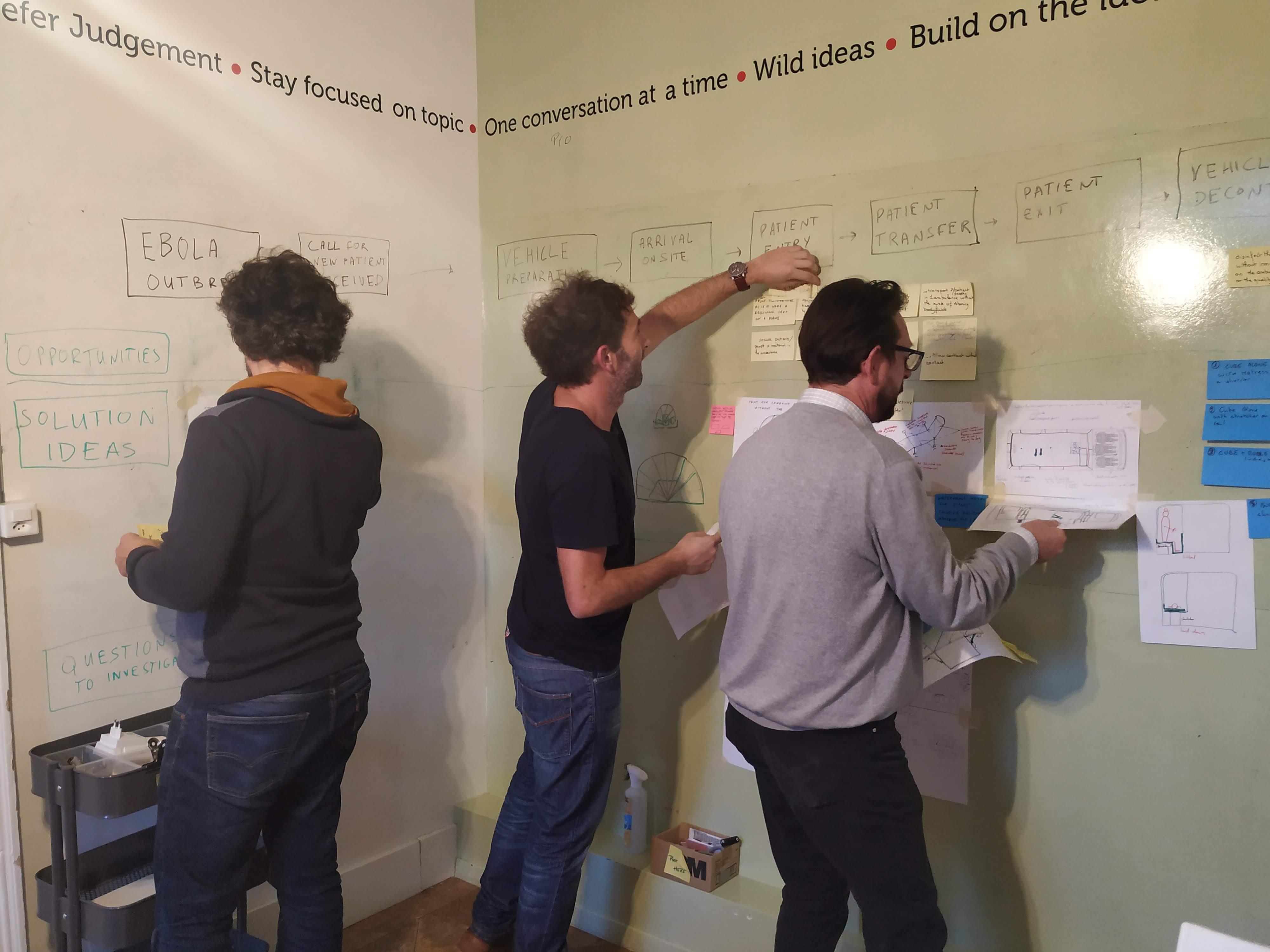
During Ebola outbreaks, transferring patients from remote locations to treatment centres is very difficult, because of the lack of ambulances and bad road conditions. Humanitarian aid agencies use land cruisers and other vehicles (e.g. pick-up trucks). However, the necessary vehicle decontamination process is very time consuming, risky and damaging to the vehicle itself. To address these challenges and improve patient transportation, a 3-day Design Sprint was organised by MSF with active participation of experts and field staff from WHO and the Red Cross.
We specialise in participatory research and design for healthcare & climate change resilience projects.
About
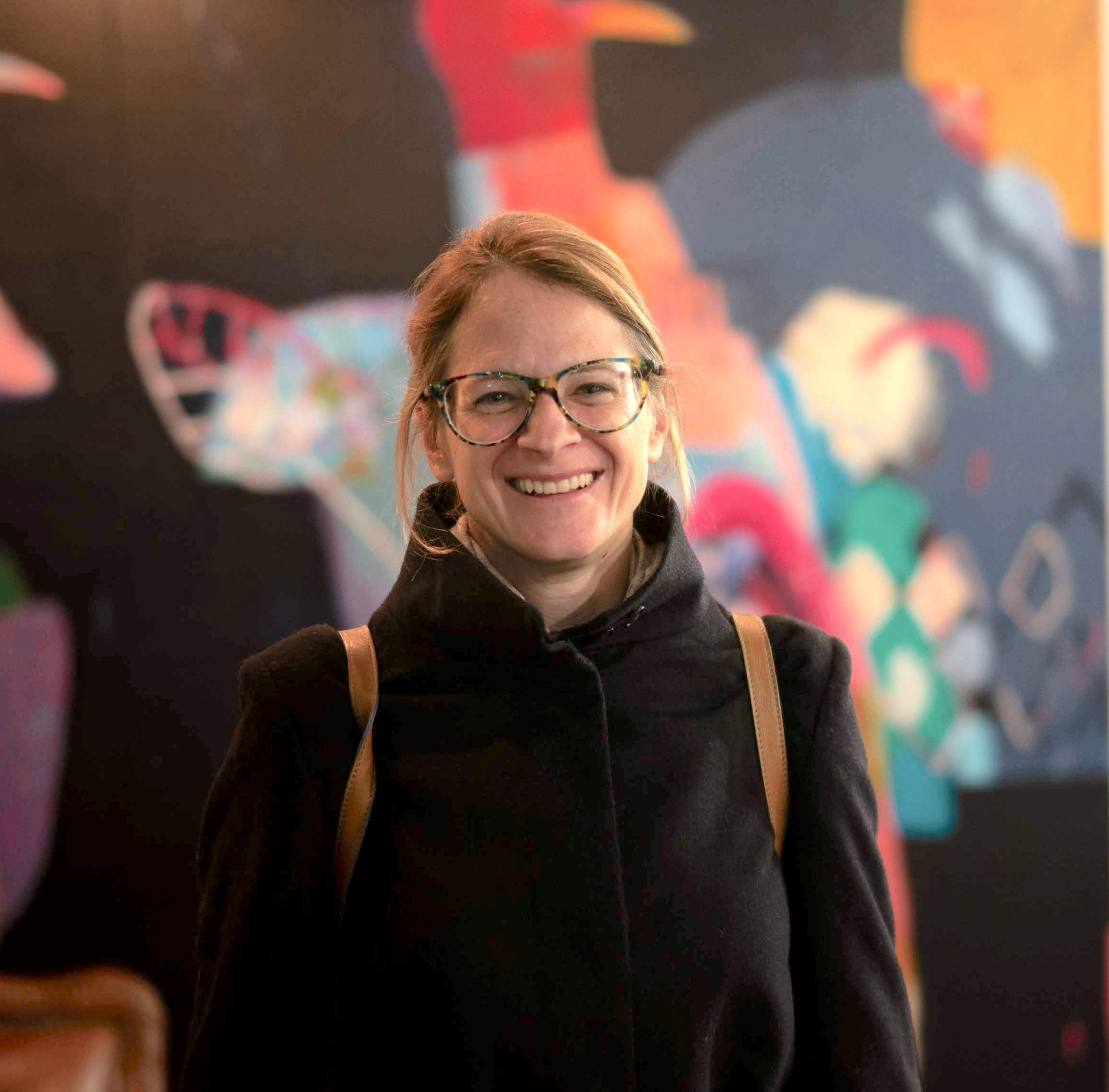
Yanna Vogiazou, a design consultant with 18+ years of professional experience, drawing from tech start-ups, academic research & innovation in the non-profit sector.
I am looking for complex problems to solve and for projects that make the world a better place. In return, I bring a hands-on approach to fieldwork in challenging environments, combined with cultural sensitivity.
I believe in moving beyond Human-Centred Design (HCD), towards Life-Centred (or Planet-Centric) Design. Nature should form part of our design process – we can no longer afford to innovate without considering the needs of the natural world.
I have a PhD in human-computer interaction and have committed since a long time to design accessible, meaningful and useful products and services.
Interested to see some project examples? Go ahead and dive in.


 design follows insight